
What Is Cumbia? History, Styles, Instruments & Modern AI Cumbia

Cumbia is one of the most influential and recognizable Latin music styles in the world. From its deep cultural roots along Colombia’s Caribbean coast to its modern interpretations across Mexico, Texas, and beyond, cumbia continues to evolve while staying unmistakably rhythmic, emotional, and communal. Today, cumbia is not only preserved by traditional musicians but also reimagined through modern production tools, including AI-powered music creation.
This guide explores what cumbia is, where it comes from, how it sounds, the instruments that define it, and how modern and AI-generated cumbia fits into the genre’s living history.
What Is Cumbia Music?
Cumbia is a rhythmic Latin music genre built on steady percussion, syncopated beats, and dance-oriented movement. At its core, cumbia is music meant to be felt in the body as much as heard. It is social music, traditionally played for gatherings, celebrations, and storytelling through rhythm.
The defining characteristic of cumbia is its hypnotic, forward-moving beat that invites dancing even at slower tempos. Unlike more aggressive or complex rhythms, cumbia thrives on repetition, groove, and accessibility.
The Origins of Cumbia
Cumbia originated in Colombia during the colonial era, shaped by a fusion of African rhythms, Indigenous melodies, and European musical structures. African slaves contributed drum patterns and call-and-response rhythms. Indigenous communities influenced melodic phrasing and flute-based instrumentation. European elements added harmonic structure and later lyrical storytelling.
Originally performed during communal ceremonies and celebrations, early cumbia relied heavily on percussion and wind instruments, with dance playing an equally important role in the tradition.
How Cumbia Spread Across Latin America
Cumbia did not stay in Colombia. As the genre traveled, it adapted to regional cultures, instruments, and tastes.
In Mexico, cumbia absorbed influences from norteño, banda, and tropical music. In Texas, particularly in Tejano communities, cumbia blended with accordion-driven sounds and bilingual cultural identity. Across Central America and parts of South America, cumbia evolved into countless regional styles, each maintaining the rhythmic heartbeat while changing the texture.
This adaptability is one of the reasons cumbia remains relevant today.
Core Instruments Used in Cumbia
Traditional and modern cumbia share several foundational instruments.
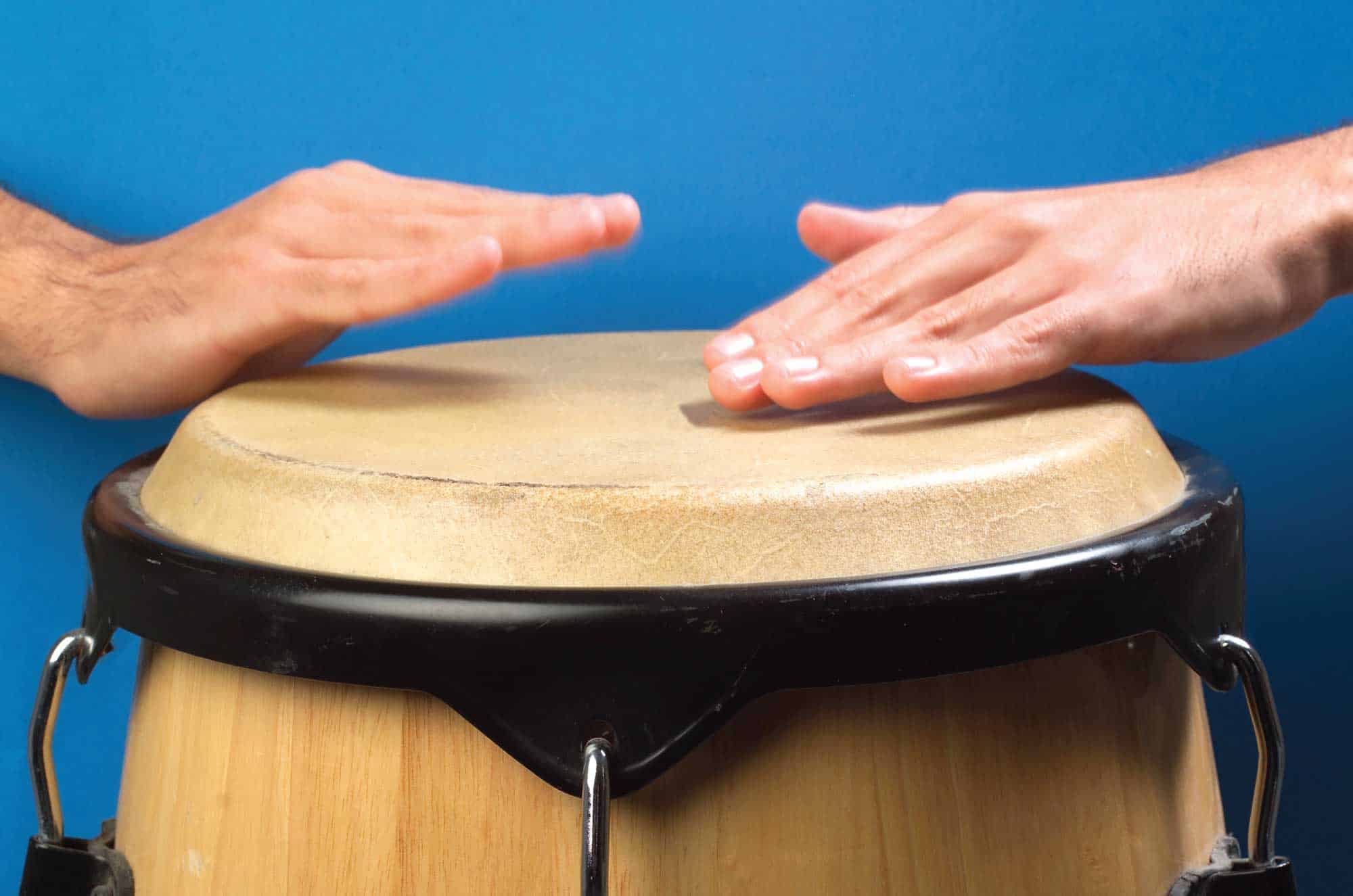
Percussion instruments such as drums and hand percussion establish the steady rhythmic pulse. The guacharaca or similar scraping instruments add texture and timing. Bass lines anchor the groove and keep dancers grounded in the rhythm.
In many modern and regional styles, the accordion plays a leading melodic role, especially in Mexican and Tejano-influenced cumbia. Brass instruments may be added for energy and celebration, while keyboards and synthesizers appear in contemporary arrangements.
Traditional vs Modern Cumbia
Traditional cumbia emphasizes acoustic instruments, minimal production, and cultural ceremony. The tempo is often moderate, and the rhythm remains consistent to support communal dancing.
Modern cumbia expands the sound palette. Electronic elements, synthesized bass, layered percussion, and studio effects allow for experimentation while preserving the recognizable rhythm. This modern evolution keeps cumbia relevant for younger audiences and new listening environments like streaming, playlists, and digital content.
AI-Generated Cumbia and Cultural Respect
AI-generated cumbia is not about replacing tradition. It is about studying rhythmic patterns, instrumentation, and structure to create respectful modern interpretations. When done correctly, AI can help explore new textures, moods, and arrangements without losing the identity that makes cumbia recognizable.
At Latin Motion Studio, AI is used as a creative tool rather than a shortcut. The focus remains on honoring rhythm, cultural influence, and emotional intent while offering modern listening experiences suited for today’s audiences.
Different Styles of Cumbia
Cumbia exists in many forms, including traditional Colombian styles, Mexican cumbia with accordion-driven melodies, and regional interpretations influenced by local instruments and dance traditions. Some styles lean toward tropical and festive energy, while others emphasize slower, more hypnotic grooves.
This diversity allows listeners to connect with cumbia in different moods, whether for dancing, driving, social gatherings, or focused listening.
How Cumbia Is Used Today
Cumbia is heard in dance studios, festivals, family celebrations, and everyday listening environments. It works equally well for energetic movement and relaxed groove-based listening. Modern cumbia tracks are commonly used for background music, cultural events, content creation, and social media.
Because of its steady rhythm and welcoming feel, cumbia adapts well to loops, long-play tracks, and instrumental versions.
Listen to Modern AI Cumbia
Modern AI-created cumbia tracks blend traditional rhythm with contemporary sound design. These tracks are ideal for long listening sessions, driving playlists, dance practice, or relaxed background music. They preserve the heart of cumbia while offering fresh interpretations for modern ears.
Explore curated AI cumbia tracks and playlists designed to respect tradition while embracing innovation.
Related Listening Paths
Listeners interested in cumbia often enjoy related genres and moods. Tejano music shares rhythmic and cultural connections, while banda and salsa offer higher-energy variations of Latin rhythm. Mood-based playlists such as Latin music for driving, dancing, or focused listening naturally complement cumbia’s groove.
Why Cumbia Still Matters
Cumbia endures because it is simple, inclusive, and adaptable. It does not demand technical expertise to enjoy, yet it carries centuries of cultural meaning. Whether played by traditional musicians or interpreted through modern AI tools, cumbia remains a living genre shaped by movement, rhythm, and shared experience.
As Latin music continues to evolve, cumbia stands as a reminder that rhythm is universal and culture thrives when it adapts without forgetting where it came from.